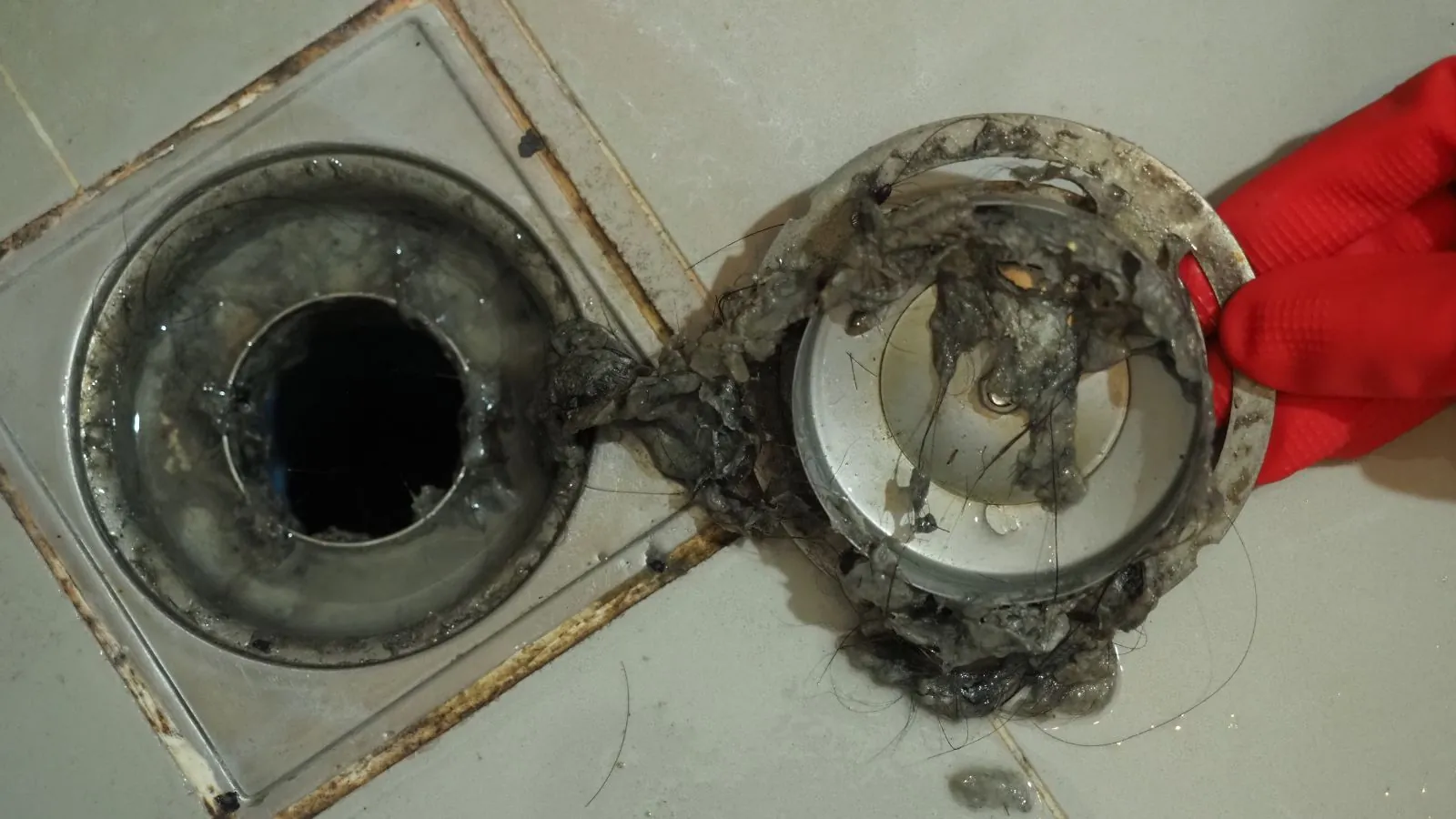
If sewage is coming up a drain, tub or toilet, stop using every fixture, keep people and pets out and call the 24/7 line. Do not wade in, and do not try to flush or run water to clear it. The water is contaminated and the exposure risk is real.
Sewage backup cleanup is the removal of contaminated water and the materials it soaked, followed by cleaning, sanitizing and drying. It differs from a clean supply leak because the water is Category 3 under ANSI/IICRC S500, so porous materials are generally removed. For stormwater and groundwater, see flood damage restoration.
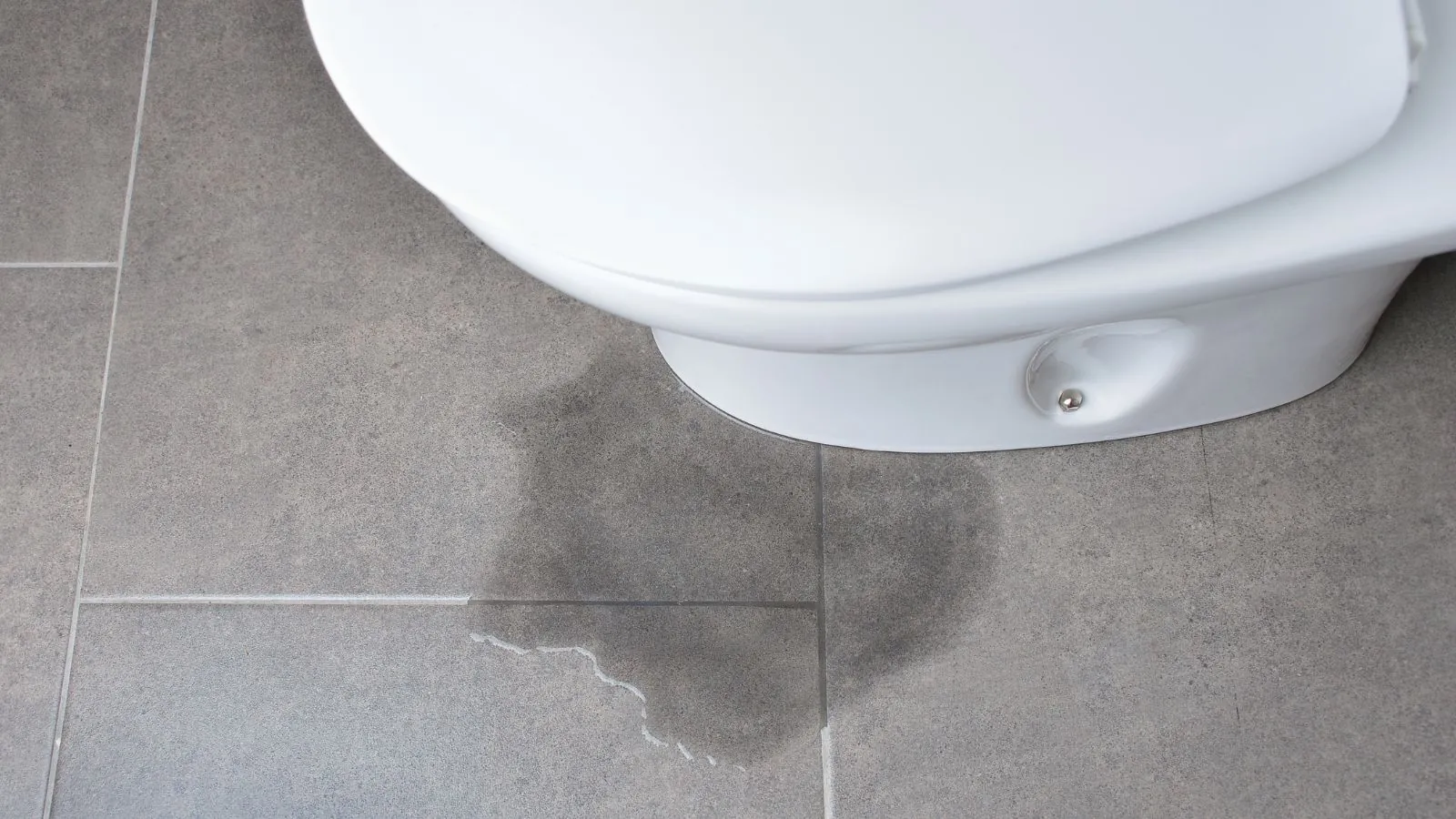
How sewage backs up in a home
A backup happens when wastewater cannot flow away and the lowest opening in the house takes the overflow. That is usually a floor drain, a shower or a tub, sometimes a toilet. A blockage in the house line, a root intrusion, a collapsed pipe or a problem in the main line can all do it.
The key question is which line is blocked. If only your fixtures back up, the blockage is probably in your own line and a plumber can clear it. If several neighbors have trouble or fixtures in more than one area back up at once, the main may be involved. The Valley Sanitary District serves Indio and nearby areas for sewer, and its website has a Report a Problem page.
Cleanup is the same either way, but the repair call is different. Plumbers handle the house line. The district handles the main. Tell the dispatcher what you know, and report the problem to the district while the crew handles the contaminated area.
Warning signs of a sewage backup
Backups show themselves in different ways. These are the common clues.
| What you notice | What it usually means | What to do |
|---|---|---|
| Dark water in a tub or shower with no source | The main or house line is blocked and water is rising | Stop using water and call a plumber and the 24/7 line |
| Gurgling toilets and slow drains in several rooms | A line downstream is restricted | Do not flush or run water and call a plumber |
| Water around a floor drain | The drain is the lowest outlet for a backed up line | Keep out and stop using water |
| Strong sewer odor with no visible water | A trap has dried out or water is held behind a barrier | Call because hidden moisture may be present |
| Wet drywall with a stained base | Contaminated water wicked up the wall | Do not touch it with bare hands |
| Neighbors report the same problem | The main may be involved | Report it to the district and call |
Water that came out of a sewer line is treated as Category 3 water.
Sewage safety rules for the first hour
Sewage can carry bacteria and other harmful agents. Take these steps and no more.
- Stop using sinks, tubs, toilets and washers. Every drop you add goes to the same line.
- Keep children, pets and anyone with health concerns away from the affected area.
- Do not touch the water or the soaked items with bare hands. Wear rubber gloves and boots if you must move.
- Leave electrical devices alone. Turn power off at the panel only from dry ground.
- Open windows near the area if you can do so without walking through the water.
- Call the 24/7 line and report the problem to the district.
Sewage in the house? The 24/7 line can send protected crews to remove it.
☎ (760) 769-1159How crews remove the sewage and make the space safe again
Crews wear protective suits, gloves, boots and respirators. They extract the water with pumps and extraction units, then remove porous materials that held it, such as carpet, pad, insulation and the lower part of drywall. These items are bagged and removed, not cleaned.
Cleaning and sanitizing
Hard surfaces that remain are cleaned first, because sanitizer cannot work through soil. Then an antimicrobial product is applied according to its label. HEPA air scrubbers filter particles during demolition, and odor control follows once the source materials are gone.
Drying and records
Moisture meters and a thermal imaging camera map what is left wet. Air movers and LGR dehumidifiers dry the structure, and readings are logged each visit. When walls and floors are rebuilt, water damage cleanup and water damage repair explain the next steps.
What changes the cost of sewage backup cleanup
The amount of contaminated material and the number of rooms are the biggest factors. A backup in a bathroom is a smaller scope than one that reaches a hallway and bedrooms. The floor type matters, because carpet and pad come out and tile can be cleaned in place.
How long the water sat adds steps. So does the need to cut drywall and remove insulation. Protective gear and disposal add to the work because contaminated material is handled more carefully than ordinary debris. Clearing the line is plumbing and is a separate cost.
Insurance and sewage backups
Coverage for sewage backup varies. Some policies treat sewer or drain backup separately from other water damage, so read your policy language and ask your insurer. The California Department of Insurance says homeowners policies do not cover flood but do cover other kinds of water damage, which is why the source of the water matters to the claim.
The department also advises making temporary repairs to prevent further damage and keeping a log of calls and paperwork. Photos before removal, a list of discarded items and the written scope help your adjuster.
Mistakes to avoid and how to keep it from returning
Do not try to clean sewage with a household vacuum or a mop and bucket. Do not run a fan across the area, which can spread contamination. Do not keep carpet or pad that touched sewage, even if it looks clean once dry.
Prevention depends on the line. Do not pour grease down drains and do not flush wipes. Have the house line scoped if backups repeat, and ask a plumber about a backwater valve. Keep floor drains clear and the trap primed.
California requires a state contractor license for plumbing work above a set dollar value, according to the Contractors State License Board. The Census Bureau puts Indio's 2025 population at 94,269, and the district serves that population and nearby areas, so reporting a suspected main problem early helps neighbors too.
Towns served and related problems
Crews serve Coachella and Palm Desert with the same protected process. If the water came from a storm or runoff instead, see storm water damage.
Frequently asked questions
Yes. The line is open through the night and on holidays, and a protected crew can visit the same day when one is available. No arrival time is promised on the call.
Stop using every plumbing fixture and keep people and pets out of the affected rooms until the crew arrives.
Yes. Sewage is Category 3 water and can carry harmful bacteria. Avoid skin contact, wear gloves and boots if you must enter, and let a protected crew handle removal.
Both can be needed. A plumber clears a blocked house line. The Valley Sanitary District handles problems in the main. Report it to the district and call the restoration line for cleanup.
Generally no. Carpet and pad that touched sewage are removed because they are porous and cannot be reliably cleaned. Hard floors such as tile can often be cleaned and sanitized in place.
It depends on the policy. Some treat sewer or drain backup separately from other water damage. Read your policy, keep photos and receipts and ask your insurer.