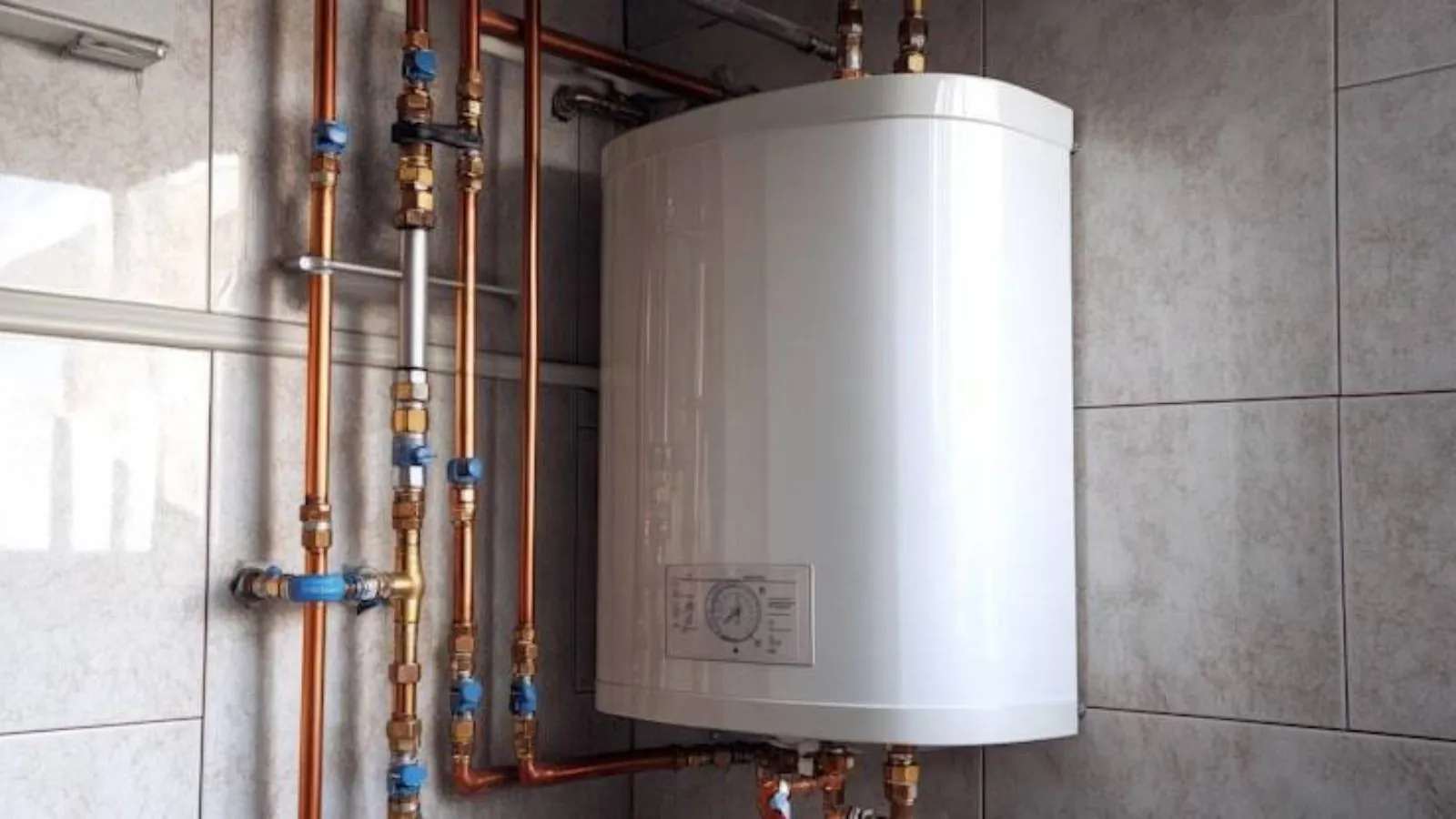
If a water heater is leaking, close the cold water valve above it and cut power or gas to the unit. The tank holds dozens of gallons, and a failed seam can release all of it into the surrounding floor and walls. Then call the 24/7 line so drying can start while the plumber replaces the unit.
Water heater leak cleanup covers the damage around a failed tank, a leaking valve or a split supply connector. That means wet flooring, soaked drywall at the base of the walls, wet insulation in an attic closet and moisture in rooms next to the heater. Emergency water removal pulls the water and water mitigation dries what it reached.
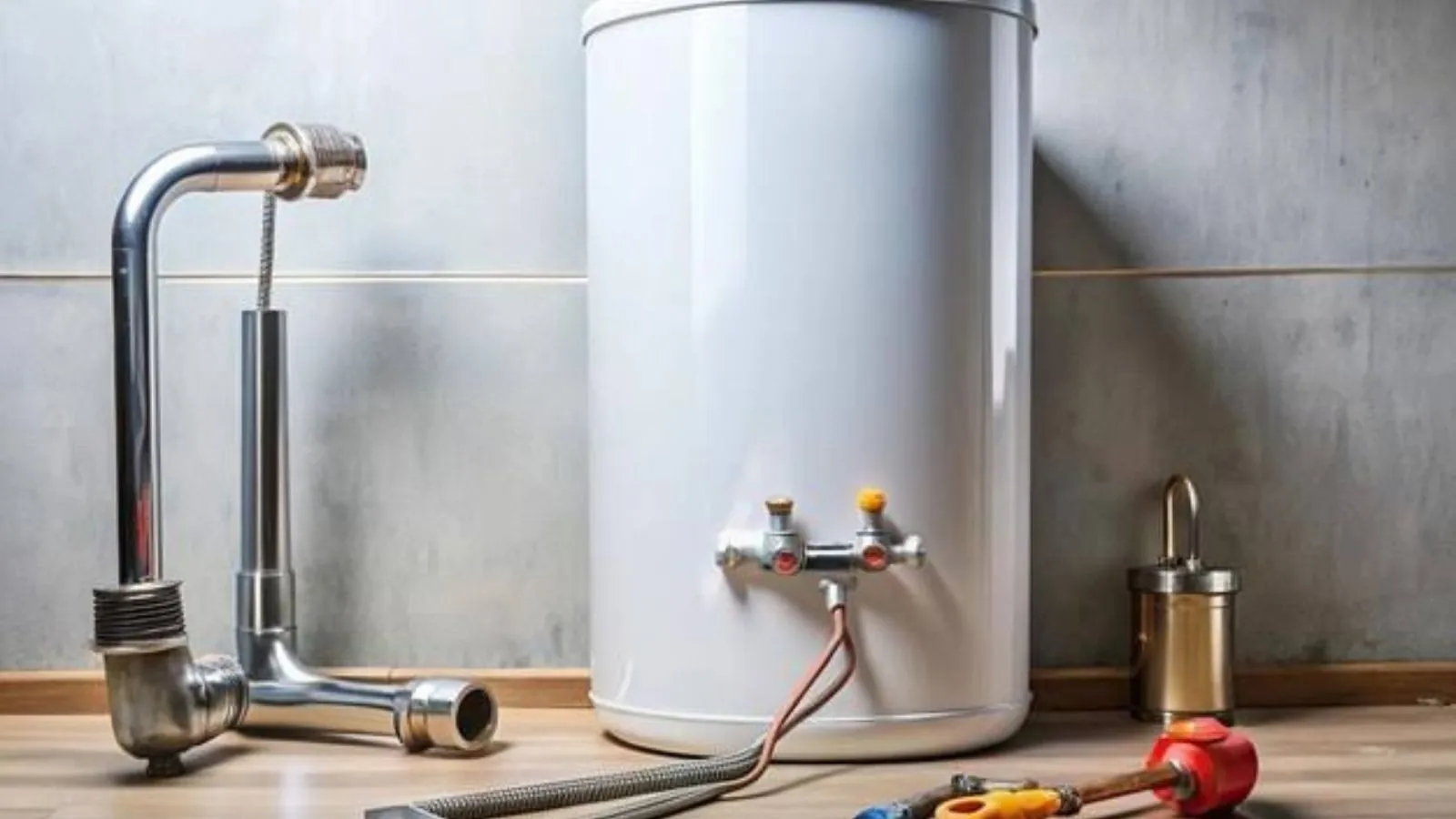
Where Indio water heaters fail
Water heaters in desert homes sit in garages, utility closets, laundry rooms and sometimes attics. The location decides who gets wet. A garage tank usually floods the slab and a shared wall. A closet tank next to a bedroom can put water under carpet in minutes. An attic tank can send water through a ceiling.
Tanks wear out. Sediment and mineral scale build up at the bottom, the protective anode rod is consumed over time and the steel liner eventually corrodes through. The Indio Water Authority says on its website that it pumps from the Coachella Valley Groundwater Basin, and mineral content in desert water is a common reason tanks scale up over the years.
Not every leak is the tank. A weeping relief valve, a loose supply line or a failed drain pan connection can look the same on the floor. A plumber sorts out which part failed, and the restoration crew handles the water.
Clues around a leaking water heater
A puddle can come from several parts. These clues help you describe the problem on the phone.
| What you notice | What it usually means | What to do |
|---|---|---|
| Water pooled around the base | The tank or a bottom fitting is leaking | Close the cold water valve and shut off power or gas |
| Drip from the pipe on the side | The relief valve is releasing water | Do not cap it, because it is a safety device |
| Damp wall next to the heater | Water has wicked into the base of the drywall | Mark the edge of the damp area and photograph it |
| Rust streaks on the tank | Corrosion has started and the tank is nearing the end | Plan for replacement soon |
| Warm floor or hot wet spots | A hot supply line may be leaking | Shut off the water heater supply and call |
| Musty smell from the closet | Water sat long enough to soak materials | Call because the wall base may still be wet |
A plumber repairs or replaces the heater. The restoration crew handles the water around it.
First-hour safety steps with a hot tank
A hot tank, electricity and gas are all in the same spot as the water. Take these steps in order.
- Close the cold water supply valve at the top of the heater to stop the tank from refilling.
- For an electric heater, turn off its breaker only if you can reach the panel on dry ground. Stay out of standing water near the unit.
- For a gas heater, turn the gas control to off. If you smell gas, leave the building and call the gas utility from outside.
- Do not touch hot pipes or water. Water from the tank can scald.
- Move boxes, tools and stored items out of the wet area and take photos first.
- Call the 24/7 line and say where the heater sits and which rooms share a wall with it.
Heater shut down and floor still wet? Call the 24/7 line to start extraction.
☎ (760) 769-1159How the water gets out and the structure dries
Crews use submersible pumps for deep water and portable extraction units for carpet, pad and hard floors. In a garage, the slab is squeegeed and vacuumed. In a finished room, carpet is lifted and pad is usually removed.
Mapping the wet area
Moisture meters read baseboards, drywall and subfloor, and a thermal imaging camera shows where water moved behind the wall. Water from a tank often wicks a foot or more up drywall, so the visible wet line understates the problem.
Drying and records
Air movers and LGR dehumidifiers dry the area, and drywall that has swollen is cut out so the cavity can dry. Crews log readings on each visit and use ANSI/IICRC S500 as the reference for how water damage should be handled. After drying, water damage repair puts back baseboards, drywall and paint.
What changes the cost of water heater leak cleanup
A leak that wets a garage slab is a smaller job than one that reaches carpet in an adjoining room. The scope changes with the floor type, the amount of drywall that must come out and how many rooms share the wall.
Time also counts. A slow leak that was found late may have soaked the wall base for days, while a sudden failure found quickly can often be dried in place. Access matters too, because tight closets slow equipment setup. The replacement heater is a plumbing cost and is separate from cleanup.
Insurance and a failed water heater
The tank itself wears out and is usually treated as maintenance, but the water damage it causes can fall under a homeowners policy when the leak was sudden. The California Department of Insurance says homeowners policies do not cover flood but do cover other kinds of water damage, which puts a failed heater on the covered side of that line.
The department also advises making temporary repairs and keeping a log of calls and paperwork. Shutting off the water and drying the structure are the repairs that count. Save the failed part if the plumber removes it, and ask your insurer what your policy requires.
Mistakes to avoid and how to prevent a failure
Do not cap or plug the relief valve pipe, and do not leave a leaking heater running to save a day. Do not stack stored items back against a wet wall, because they hold water against the drywall.
Prevention starts with age. Note the install date on the tank label and plan replacement before it fails. Flush sediment if the manufacturer calls for it. Put a drain pan with a pipe to a safe outlet under any heater in a finished space.
Replacing a heater is licensed plumbing work. The Contractors State License Board requires a license for jobs above a set dollar value, and the City of Indio says a building permit is required before work begins, so ask the Building and Safety Division whether a replacement needs one.
Nearby towns and related leaks
Crews serve Palm Desert and Coachella with the same process. If the leak came from a washing machine or dishwasher instead, see appliance leak water damage.
Frequently asked questions
Yes. Someone answers every hour of the day, and a same-day visit is possible when crews have room. The dispatcher does not promise an arrival time.
Close the cold water valve above the tank and cut power or gas to the heater while you wait.
Yes. Close the cold water valve at the top of the tank and turn off power or gas. If you smell gas, leave the building and call the gas utility from outside.
The heater itself is usually considered wear, while sudden water damage from the failure may be covered. The policy decides, so keep photos, receipts and a call log and ask your insurer.
A failed tank can release the full contents, and the supply line will keep adding water until the cold valve is closed. That is why closing the valve is the first step.
No. A plumber replaces or repairs the heater. Our crews handle the water around it, which means extraction, drying and cleanup, and they can work the same day as the plumber.