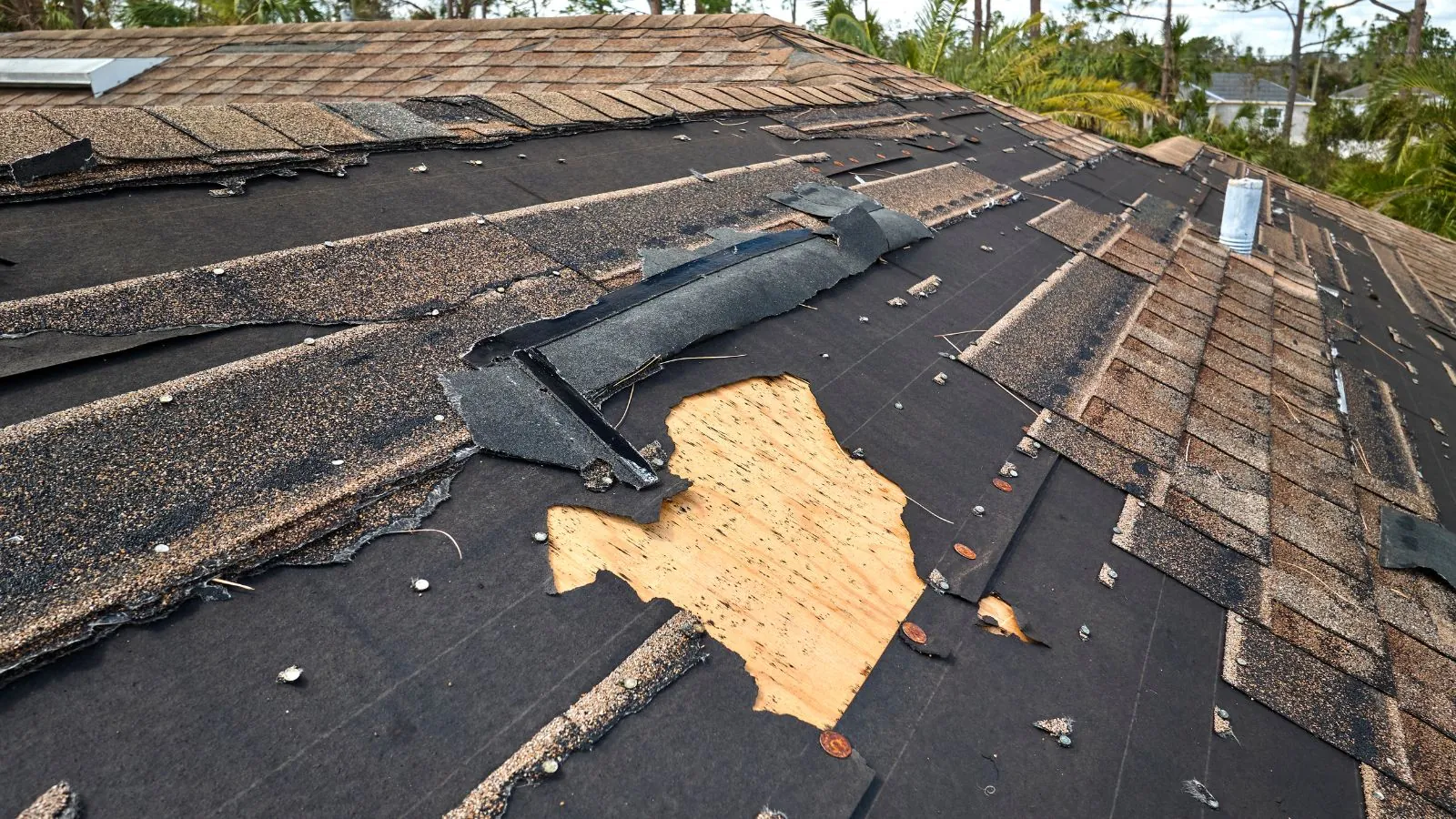
If storm water is coming into the building, stay out of standing water, keep power off to wet areas and call the 24/7 line. The first questions are where the water came from and whether any of it is coming up from the ground or a drain.
Storm water damage is the harm done when rain, wind driven water or runoff gets into a building: wet ceilings, soaked wall bases, water at door thresholds and moisture in stucco walls. It overlaps with flood damage restoration, but the cause and the plan differ. This page focuses on water entering from the roof, walls, windows and doors.
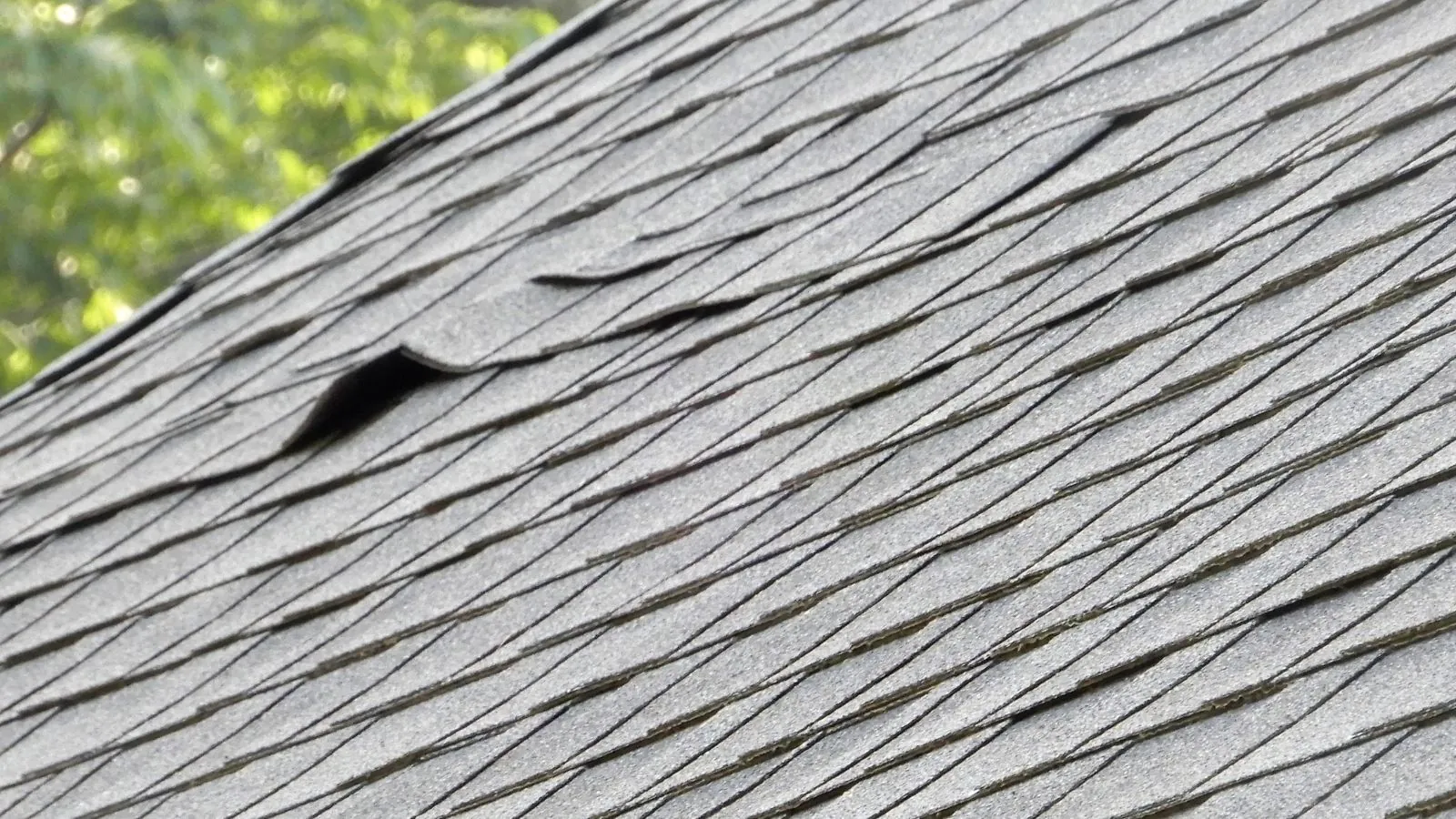
How storms get water into valley buildings
Storms here are infrequent, so buildings are not always ready for them. Roofs lift tiles and tear flashing. Windows and doors leak where seals have dried and cracked. Stucco hides gaps that let wind-driven rain reach the wall cavity. Gutters and drains that rarely carry water clog with dust and debris, then overflow.
The ground can also be the source. When runoff rises, water can come over thresholds and through garage doors. The City of Indio storm resources page advises stacking sandbags at doors and low points and checking your address on the FEMA Flood Map Service Center, which tells you whether your address is in a mapped flood zone.
Flash flooding is a regional risk. Local TV reported flash flooding in the Indio Hills area on September 28, 2026, and a National Weather Service flash flood warning covered Indio that night. Those reports are a reminder that a quiet forecast can change fast.
Where storm water leaves its marks
Storm water leaves clues that point to where it entered.
| What you notice | What it usually means | What to do |
|---|---|---|
| Ceiling stain after the rain | Water came through the roof or an attic penetration | Keep people out from under it and see roof leak page |
| Wet wall base below a window | Water entered at the window or the stucco | Photograph the stain and call |
| Water at a door threshold | Runoff or wind-driven rain came in at the door | Move items and call for extraction |
| Soaked garage floor | Runoff entered at the garage door | Keep power off to wet outlets and call |
| Muddy water inside | Ground water or runoff entered | Treat it as contaminated and stay out |
| Bubbling paint on a stucco wall | Moisture is in the wall behind it | Mark the area and call for readings |
Mud and runoff are treated as contaminated water until the crew says otherwise.
Storm safety steps for the first hour
Storm water carries risks from electricity, sharp debris and contamination. Take care.
- Stay out of standing water. It can hide live electrical hazards, sharp debris and contamination.
- If water rises near outlets, shut off power at the breaker panel, but only from dry ground, as the city storm page advises.
- Do not drive or walk through flooded streets and washes.
- Move valuables up, stack sandbags at doors and low points if you have time and photograph the damage.
- Do not use a household vacuum on wet floors.
- Call the 24/7 line and say whether the water came from above or from the ground.
Storm water inside? Call the 24/7 line and say where it entered.
☎ (760) 769-1159How crews remove storm water and dry the building
Pumps and extraction units remove standing water. If the water came from outside at ground level, crews treat it as contaminated and remove porous materials that held it. Water from the roof is usually cleaner, but it can pass through insulation and dust.
Mapping and drying
Moisture meters read ceilings, wall bases and framing. A thermal imaging camera shows wet areas behind stucco and drywall. Air movers and LGR dehumidifiers run until readings reach a dry standard. Crews log readings each visit and use ANSI/IICRC S500 as the reference for categorizing the water and planning the work.
What comes after
Roof or opening repairs are done by a roofer or a contractor. For ceilings and walls after drying, see water damage repair.
What changes the cost of storm water cleanup
The scope depends on where the water came from, how much came in and how long it sat. Clean roof water in one room is smaller than runoff through several rooms. Ground-level water adds removal of porous materials.
Floor type, the amount of drywall to remove and access also matter. Storms can create a heavy demand, so the crew explains scope and price before work begins, and no arrival time is promised on the phone.
Insurance and storm water
Storm coverage depends on how the water entered. The California Department of Insurance says homeowners policies do not cover flood damage, but they do cover other kinds of water damage, and it notes that flood insurance is a separate policy that generally takes effect 30 days after purchase. Rain entering through a damaged roof is generally treated differently from rising ground water.
The department also advises making temporary repairs and keeping a log of calls. A tarp and drying are repairs insurers expect. Photos, receipts and the written scope help your adjuster.
Mistakes to avoid and how to get ready
Do not wait for the weather to clear before calling. Do not walk into a flooded garage with the power on. Do not paint over a stain before the wall is dry.
Preparation is practical. Check roof tiles and flashing, clean gutters and drains, seal gaps around doors and windows and keep sandbags where you can reach them. The city adopts FEMA special flood hazard areas in its municipal code, so know whether your address is in one.
Crews also serve Thermal, where runoff and the stormwater channel matter, and La Quinta. For a roof that is still leaking, see roof leak water damage.
Frequently asked questions
Yes. The line stays open during and after storms, and a crew can visit the same day when one is available, although demand can be heavy. No arrival time is given by phone.
Keep out of standing water, and switch off power to wet rooms only from dry ground.
Storm water damage covers water that enters from the roof, walls, windows and doors. Flood damage involves rising ground water or runoff. The cause affects the plan and the insurance, so tell the dispatcher what you saw.
Roof water is usually cleaner, but runoff and mud are contaminated. The crew treats ground-level water as contaminated and removes porous materials that touched it.
It depends on how the water got in. Homeowners policies do not cover flood but do cover other water damage. Ask your insurer or the California Department of Insurance, and keep photos and receipts.
No. A roofer or contractor repairs the opening. Our crews remove water and dry the structure, and they can work while the roofer works.